
Getting pulled over on suspicion of DUI in Georgia often comes down to one question at the roadside: do you take the breathalyzer, or do you refuse it? Many drivers assume that refusing the test means there is no evidence against them, but Georgia’s implied consent law attaches serious administrative penalties to that choice long before a criminal case is ever decided.
Understanding how implied consent works, what happens to your driver’s license after a refusal, and whether refusing can still lead to a DUI charge can help you make a more informed decision if you are ever in that situation.
What Is Georgia’s Implied Consent Law?
Under O.C.G.A. § 40-5-67.1, anyone who drives on Georgia roads is considered to have already agreed to submit to a state-administered chemical test of their blood, breath, or urine if they are lawfully arrested for DUI. After an arrest, the officer is required to read an implied consent notice explaining this obligation and the consequences of refusing before requesting the test.
This is different from the voluntary field sobriety tests performed at the roadside before an arrest, in which a driver may decline without an automatic license penalty.
What Happens If You Refuse the Test?
Refusing the state-administered chemical test triggers an automatic administrative license suspension through the Georgia Department of Driver Services, separate from any criminal DUI case. A first refusal generally results in a suspension of at least one year; a second refusal within five years can extend that to three years, and a third refusal can reach five years.
This suspension can take effect even if the driver is later found not guilty of DUI in criminal court, because the administrative process and the criminal case move on separate tracks.
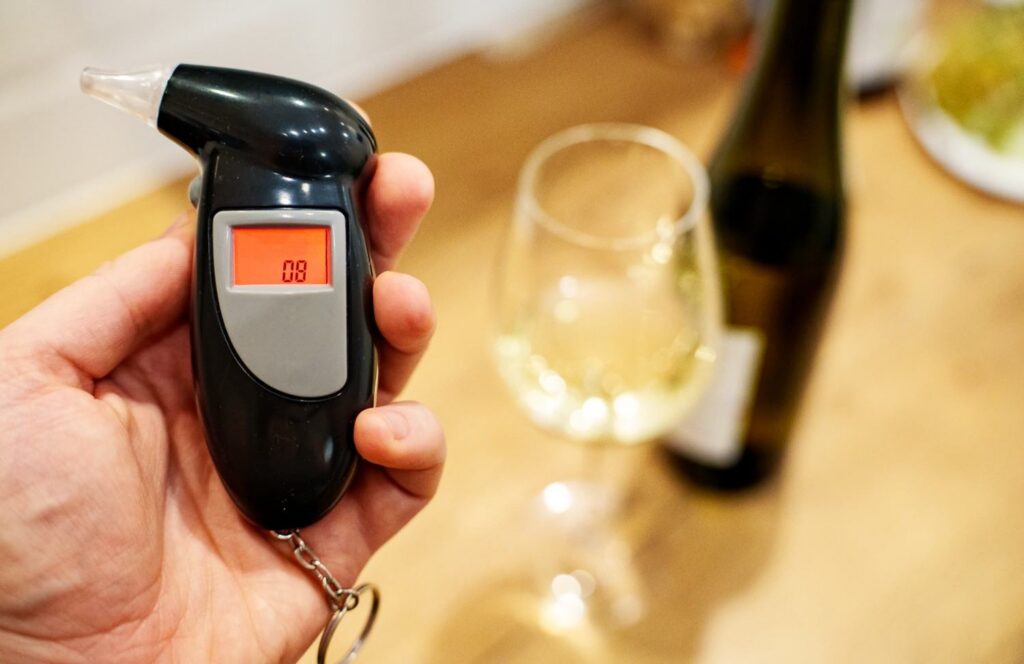
Does Refusing Mean You Won’t Be Charged With DUI?
Not necessarily. A refusal removes the state’s direct chemical evidence of blood alcohol concentration. However, officers can still rely on field sobriety test results, driving patterns, and their own observations to pursue a “DUI less safe” charge. Prosecutors may also point to the refusal itself in court as an indication that the driver believed testing would confirm impairment, an argument sometimes described as consciousness of guilt.
Can You Challenge the Suspension or Get Limited Driving Privileges?
Drivers generally have only thirty days from the date of arrest to request an administrative hearing challenging the suspension, or to pursue an ignition interlock device permit as an alternative to a full suspension. Missing that window usually means the suspension moves forward automatically.
Filing the paperwork yourself is possible, but the hearing itself involves procedural rules, filing fees, and legal arguments about the traffic stop and the officer’s conduct that are easy to get wrong without guidance, and a mistake at this stage can cost you your license before the underlying DUI case is ever resolved.
How The Law Office of Ahmad R. Crews, LLC Can Help
Our firm does not practice outside of criminal defense, including DUI cases that involve implied consent and breathalyzer refusal issues. We read the relevant laws, thoroughly investigate the facts of each case, and prepare motions to challenge the state’s evidence wherever the law allows; clients have direct access to our office throughout the process.
If you are weighing whether to refuse testing, or are already dealing with the aftermath of a refusal, our Georgia DUI laws overview covers related penalties you may also be facing. Call our office or contact us online to schedule a free initial consultation and talk through your options before the thirty-day window closes.